
Tracing architectural lineage and contemporary interpretation
Pacific Northwest Modernism was never about spectacle. It emerged from a deep respect for place — shaped by towering forests, shifting coastal light, and a climate that rewards shelter as much as openness. Its architecture favored honesty in materials, clarity of structure, and a seamless relationship between indoors and out. On Vancouver Island, this legacy continues to quietly shape how homes are imagined, built, and lived in today.
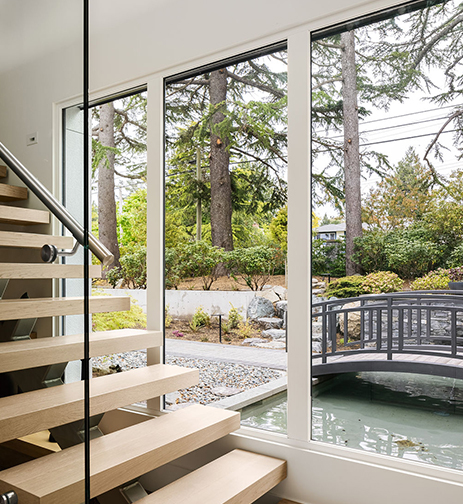
Early modernist architects in the region rejected ornamental excess in favor of restraint and function. Timber beams were left exposed, glass was used generously to frame landscape rather than dominate it, and buildings were designed to sit lightly on the land. Homes felt grounded, human-scaled, and deeply connected to their surroundings. Nature wasn’t a backdrop — it was part of the architecture itself.
“Pacific Northwest Modernism doesn’t impose itself on the landscape — it belongs to it.”
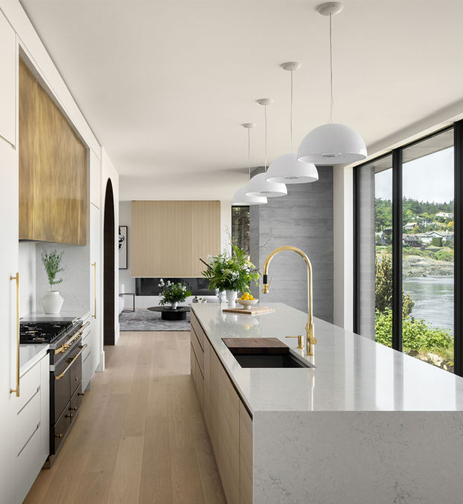
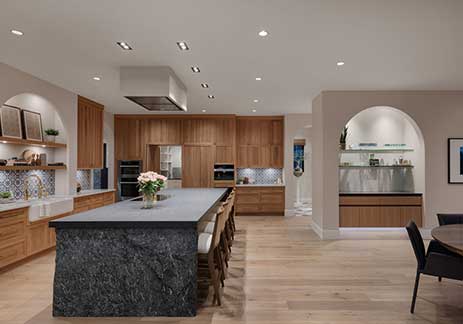
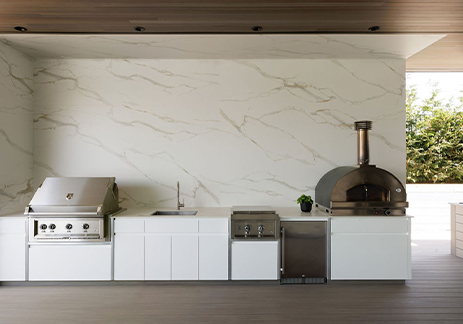
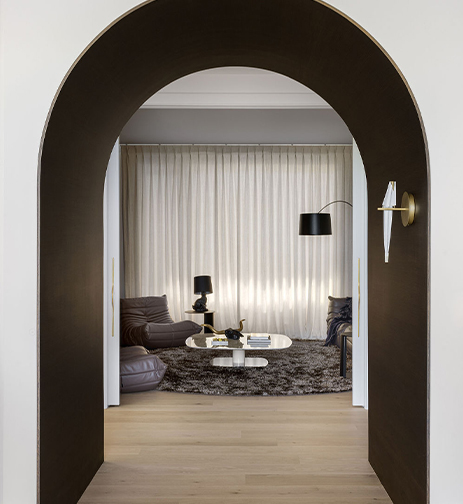
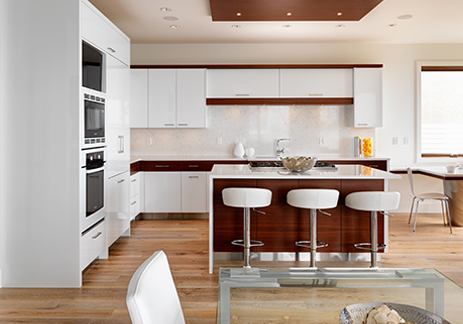
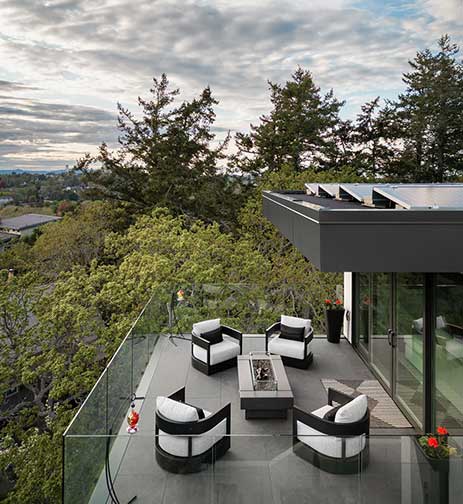
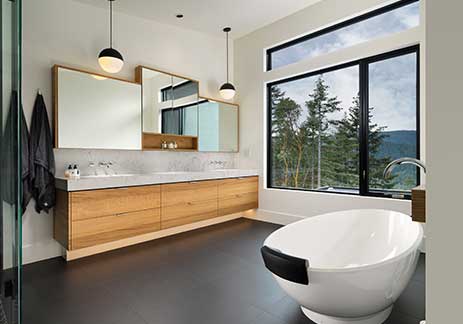
That philosophy remains deeply embedded in contemporary Island homes. Expansive glazing still captures ocean horizons and forest canopies, but now with advanced performance and energy efficiency. Open plans encourage light to travel through space, while deep overhangs, covered terraces, and sheltered transitions respond to rain, wind, and shifting seasons. Materials lean toward warmth and tactility — wood, stone, concrete, and metal used in honest, expressive ways.
Modern interpretations refine the language without losing its soul. Cleaner lines, simplified detailing, and improved building science elevate comfort and longevity, while the core values remain intact: respect for site, thoughtful proportion, and spaces that invite calm rather than command attention. The result is architecture that feels contemporary yet rooted — progressive without being disconnected from its environment.
Pacific Northwest Modernism resonates on the Island because it mirrors the way people live here. There is an appreciation for quiet beauty, natural rhythms, and a slower, more intentional pace of life. Homes are not designed to impress from afar, but to enrich daily experience — capturing morning light, offering shelter during winter storms, and opening generously to long summer evenings.
As design continues to evolve, this architectural lineage provides a steady compass. It reminds builders and homeowners alike that good design begins with listening — to land, light, climate, and lifestyle — and translating those cues into spaces that feel authentic, enduring, and deeply connected to place.