The Rise of Multi-Generational Living on the Island
Designing homes that support evolving family structures
Across Vancouver Island, the definition of home is expanding. What was once conceived for a single life stage is now being asked to hold many—children growing up, parents aging in place, adult siblings returning, and extended family becoming part of daily life. Multi-generational living on the Island is less about density and more about intention, shaped by both economic realities and a deeply rooted desire for connection.
On the Island, this shift feels natural. Homes here have always been places of continuity rather than transition, and the move toward shared living reflects a broader cultural value: staying close, sharing resources, and designing for longevity rather than immediacy. Yet successful multi-generational homes are not simply larger houses—they are carefully composed environments where autonomy and togetherness exist in quiet balance.
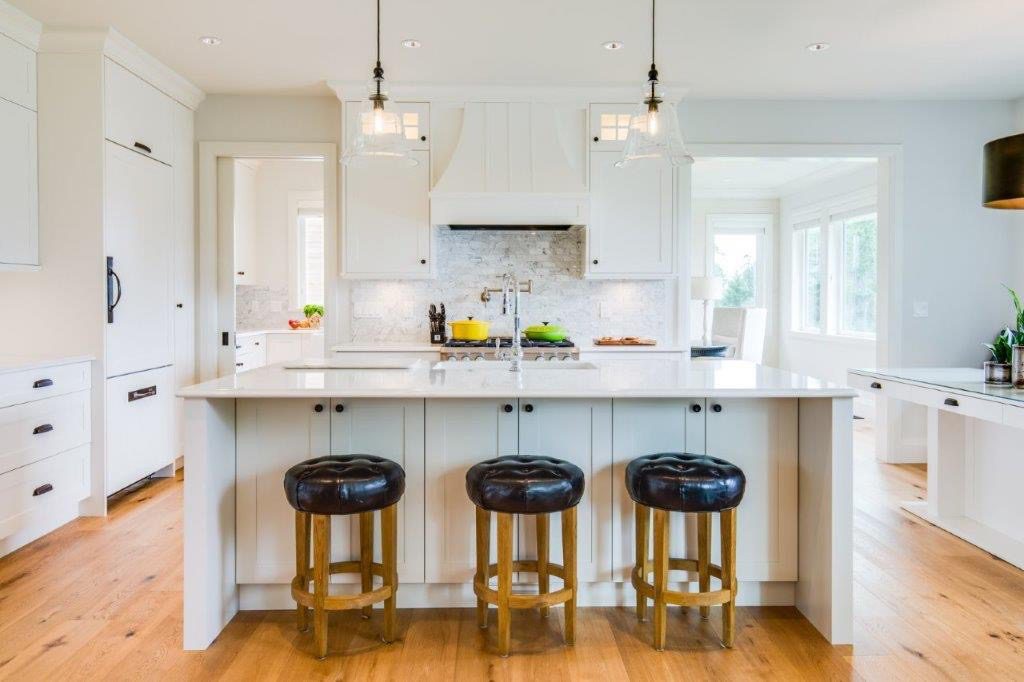
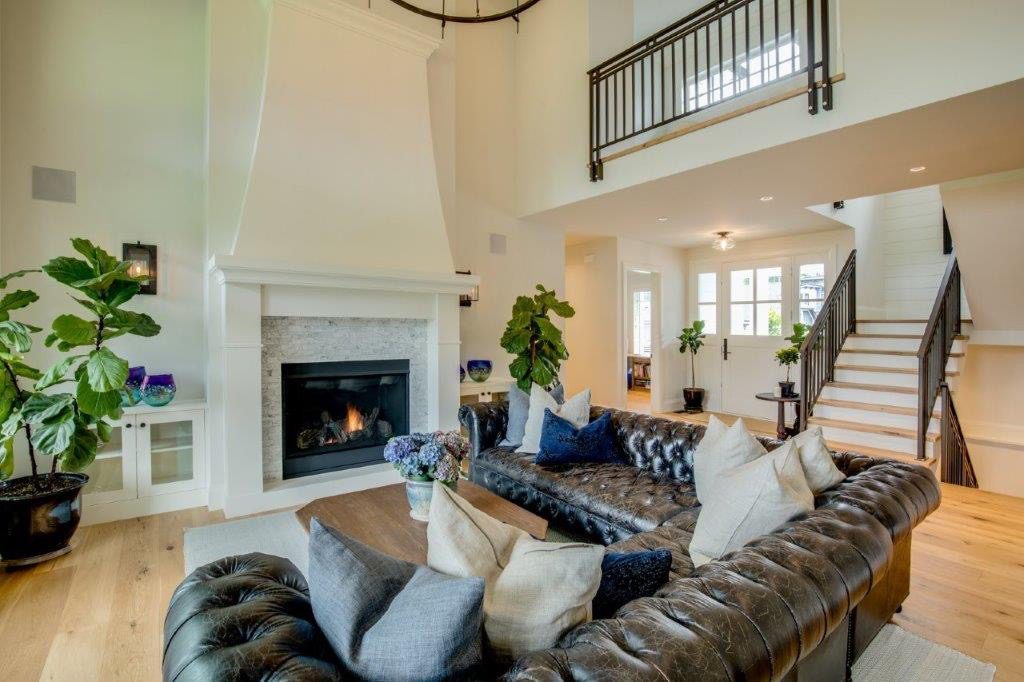
The most considered designs create layers rather than divisions. Separate entrances, flexible suites, and adaptable floor plans allow family members to maintain independence while remaining woven into a shared domestic rhythm. These spaces are not hidden or secondary; they are integrated from the outset, ensuring the home feels cohesive rather than retrofitted. Circulation paths and shared zones are choreographed to encourage natural overlap—moments of connection that feel organic rather than imposed.
Accessibility, too, is increasingly embedded into the architectural language rather than treated as a future problem to solve. Level thresholds, generous clearances, and ground-floor living spaces quietly support aging in place while remaining visually understated. When accessibility is designed thoughtfully, it becomes invisible—supportive without defining the aesthetic of the home.
“The most successful multi-generational homes are not divided by walls, but layered with intention—allowing lives to overlap without colliding.”
Privacy plays an equally critical role. In multi-generational households, comfort is often determined by what is not seen or heard. Acoustic separation, sightline control, and the careful placement of private rooms ensure that proximity does not become intrusion. Emotional comfort is as much a design consideration as square footage, and on the Island, this sensitivity is often what distinguishes a home that works from one that merely accommodates.
Outdoor space further softens the complexity of shared living. Covered decks, courtyards, and gardens act as neutral ground—places where generations gather without expectation. In a coastal context, these transitional spaces become extensions of daily life, allowing the home to breathe and relationships to unfold at their own pace.
Ultimately, the rise of multi-generational living on Vancouver Island reflects a shift toward homes designed for change rather than permanence. A suite that serves one purpose today may evolve tomorrow, and thoughtful architecture anticipates that fluidity. In designing homes that support evolving family structures, Island architecture is quietly reaffirming its core principle: a well-designed home should grow alongside the people who inhabit it.